


Animals In Therapy

Animals have had a significant and recurring presence in my counselling sessions, often serving as a valuable tool for exploration and understanding of emotions. The incorporation of animals into therapeutic practices can provide profound insights, allowing individuals to reflect not only on their own feelings but also on the dynamics of their relationships with others. By considering what animal they might resonate with at a given moment, clients can gain clarity about their emotional state. For instance, one might identify with a lion when feeling powerful and confident, or perhaps a turtle when feeling withdrawn and protective. This metaphorical approach encourages clients to engage in a deeper exploration of their inner selves. It prompts them to ask questions such as, "What does this animal represent for me?" or "How does this animal's behaviour mirror my own reactions and feelings in this situation?" Moreover, this technique can extend to understanding how others in their lives might be feeling or behaving. By reflecting on what animal a friend, family member, or colleague might embody at a particular time, clients can develop greater empathy and insight into the emotional landscapes of those around them. This process not only fosters self-awareness but also enhances relational awareness, creating a richer dialogue about feelings and interactions. For example, if a client perceives a colleague as acting like a busy bee, it might lead to discussions about that person's stress levels and the pressures they are under, ultimately fostering understanding and compassion. In this way, animals become symbolic mirrors, reflecting not just personal feelings but also the complex web of interpersonal relationships. Such reflections can pave the way for healing, connection, and personal growth, making the therapeutic journey not only insightful but also transformative.
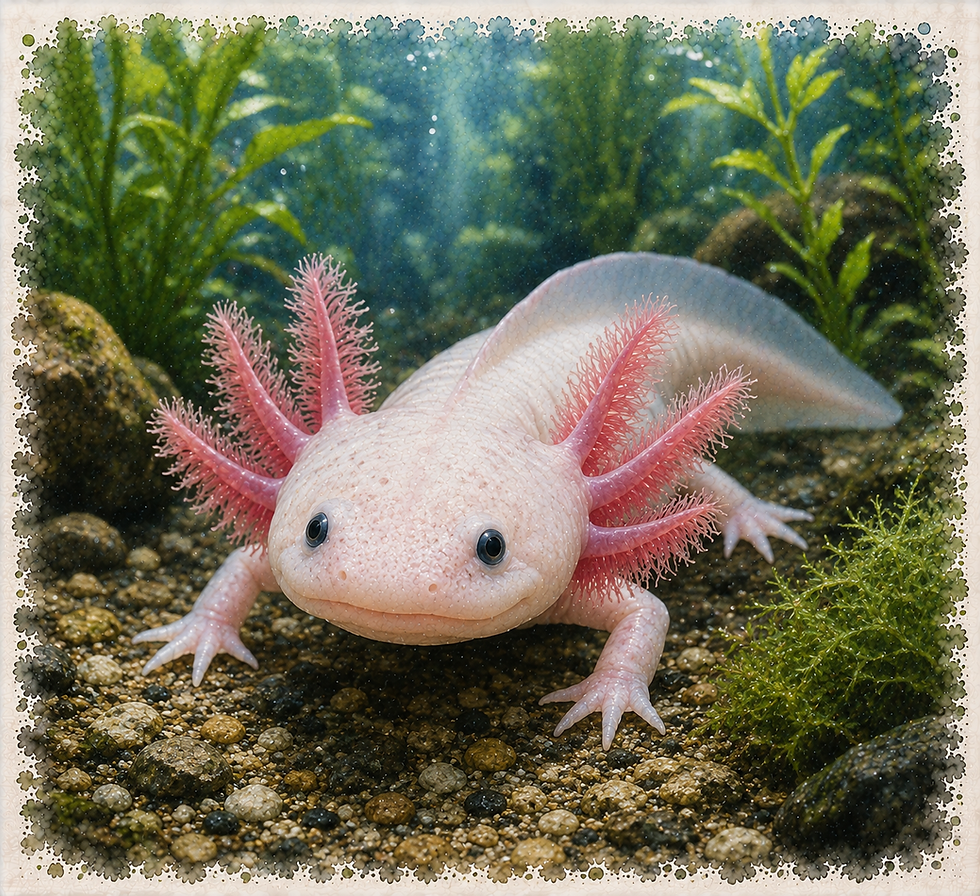
Animals used as a metaphor are a powerful literary device that enriches language and enhances the depth of communication. Throughout history, various cultures have employed animal symbolism to convey complex ideas, emotions, and social commentary. By attributing human characteristics to animals, writers can create vivid imagery and evoke strong feelings in their audience. For instance, the cunning fox often represents slyness or deceit, while the noble lion symbolises courage and strength. In literature, animals serve as a bridge between the natural world and human experiences, allowing authors to explore themes such as survival, morality, and the intricacies of human behaviour. A classic example is George Orwell's "Animal Farm," where farm animals are used to critique political systems and human nature itself. The pigs, who assume leadership roles, reflect the corruption of power, while the hardworking horses symbolise the working class's struggles and sacrifices. Moreover, animals in metaphors can also reflect cultural beliefs and values. In many Indigenous cultures, specific animals are revered and carry significant spiritual meanings, often representing traits that are admired within the community. For example, the eagle is frequently seen as a symbol of freedom and vision, while the bear may embody strength and introspection. The use of animals as metaphors is not limited to literature; it extends into everyday language. Phrases like "a lone wolf" or "the early bird catches the worm" illustrate how animal imagery permeates our communication, providing a concise way to express complex ideas or behaviors. This linguistic phenomenon highlights the interconnectedness of humans and nature, showcasing how our understanding of the animal kingdom can reflect and inform our own lives. In conclusion, the metaphorical use of animals serves as a rich and multifaceted tool in both literature and everyday language, allowing for a deeper exploration of human experiences, societal issues, and cultural values. By drawing on the characteristics and symbolism of various animals, we can communicate more effectively and resonate with the emotions and ideas we wish to convey.
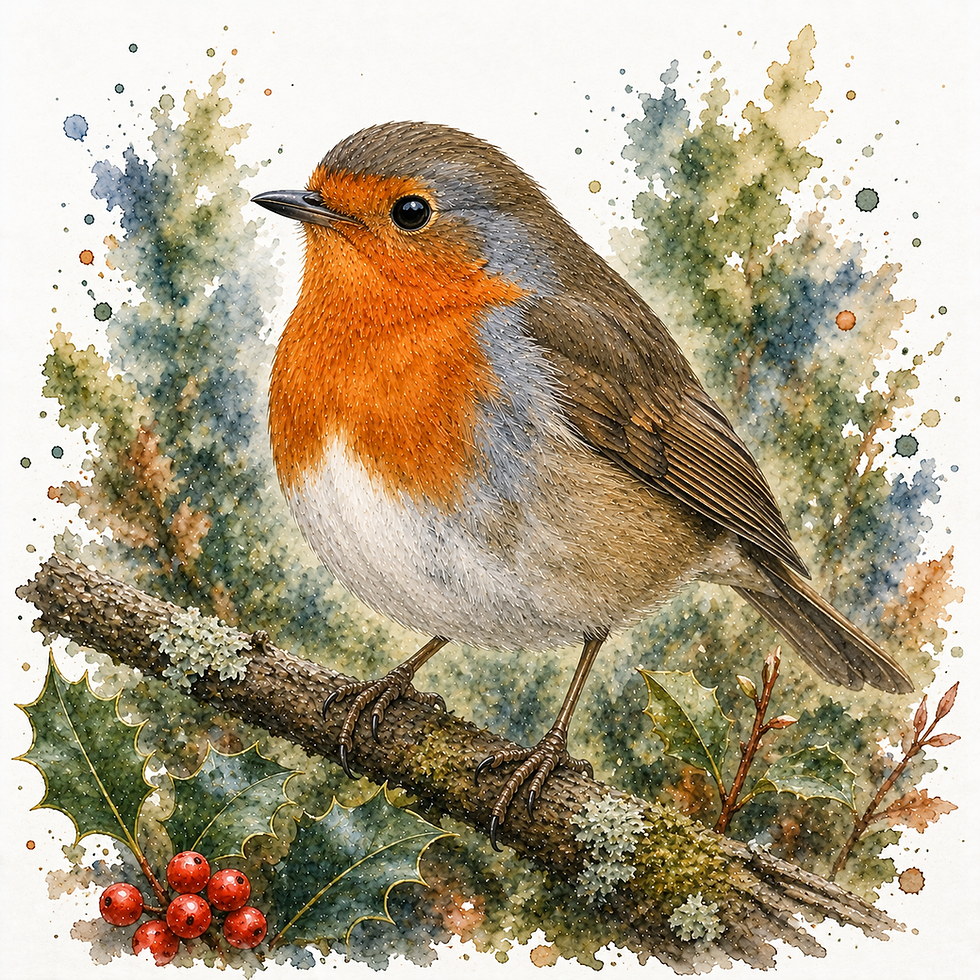
Sometimes work with animals may involve utilizing a sand tray to create a scene that reflects various dynamics, emotional states, and the closeness or distance between different elements. This therapeutic method allows clients to express their feelings and experiences in a tangible way. By arranging miniature figures, animals, or natural elements within the sand, individuals can visualise their relationships and interactions, both with the animals in their lives and with other people. The sand tray serves as a safe space for exploration, enabling clients to depict their inner world and gain insights into their emotional landscapes. This approach fosters a deeper understanding of the connections they share with the animals, as well as the dynamics that may be influencing those relationships.
Alternatively, oracle cards have been used their sessions as a means of facilitating communication and reflection. Oracle cards can serve as a powerful tool for prompting discussions about feelings, beliefs, and aspirations related to animals. Clients may draw cards that resonate with their current emotional state or relationships, allowing them to explore themes of guidance, intuition, and healing. This method can enhance self-awareness and encourage clients to consider their interactions with animals from new perspectives, ultimately leading to personal growth and transformation.
A client recently engaged in a creative process by making a unique representation using clay. This hands-on activity not only provided an opportunity for artistic expression but also allowed the client to connect with their emotions and thoughts in a profound way. Working with clay can be a therapeutic tool as it involves tactile engagement that can be soothing and grounding. As the client moulded and shaped the clay, they may have been able to express feelings that were difficult to articulate verbally. The act of creating something tangible can serve as a metaphor for their experiences with animals or personal challenges, providing a visual representation of their journey. This creative outlet can lead to meaningful discussions about the significance of the animal relationships in their life, as well as the emotions tied to those connections.


header.all-comments